





Chimney Repair Services in New Jersey: How Winter Weather Can Damage Your Chimney
Chimney restoration services in New Jersey become particularly necessary following extreme winters when freezing temperatures, snow, ice, moisture, and continuous freeze/thaw processes can result in cracks, falling bricks, damaged joints, water entry.
While a tiny crack on the chimney does not look dangerous for its owner, it can turn out that such damage will soon bring many problems, such as water penetration, deterioration of masonry, damage inside, and even safety risks. Therefore, organizing a chimney inspection after winter in NJ is among the most effective actions for any homeowner in New Jersey.
With R&G Roofing, Carpentry & Siding, we can help homeowners in NJ deal with their chimney damage.
Why Is Chimney Repair Important After Winter in New Jersey?
Winters in New Jersey might present chimneys with freeze-thaw cycles. In cases when there is moisture in tiny crevices within or in a porous masonry and when temperatures are below freezing level, the water will expand. Once temperatures increase, ice starts melting and masonry contracts.
As a result of freeze-thaw cycles, chimneys may become damaged.
Common winter-related chimney problems include:
- Cracked or missing mortar joints
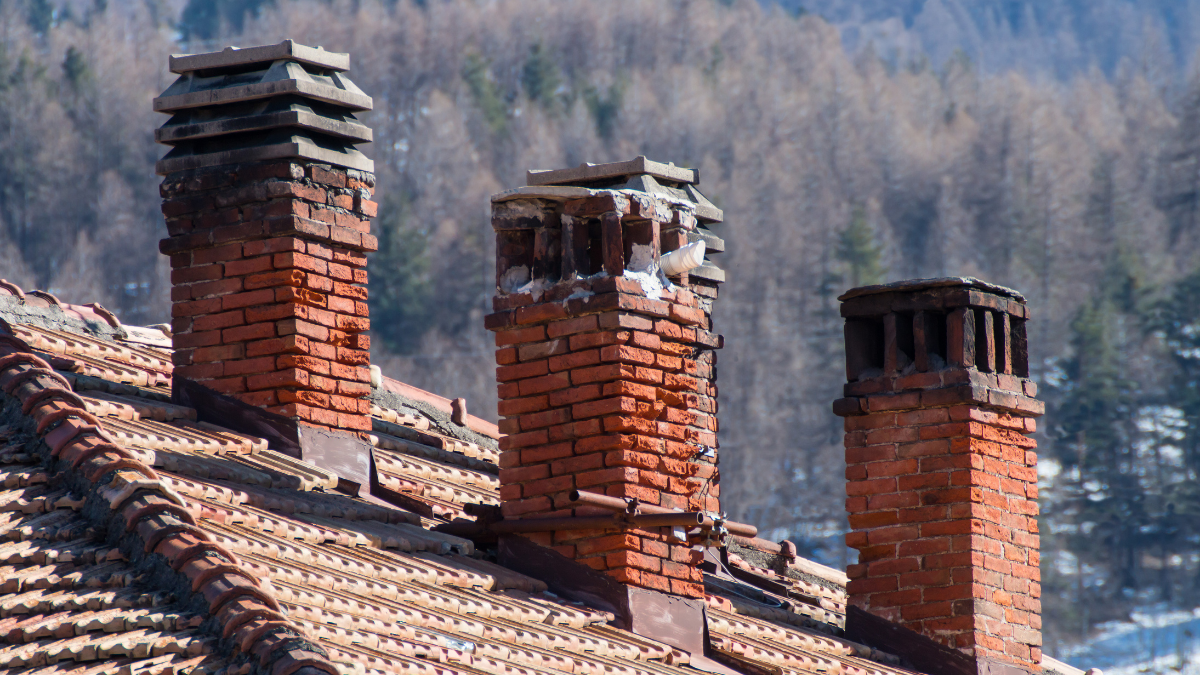
- Loose or broken chimney bricks
- Water stains around fire places or the ceiling
- Efflorescence, white staining of masonry surfaces
- Rust on the chimney cap or flashing
- Brick or mortar falling near the base of the chimney
Common Signs of Winter Chimney Damage
But not every chimney damage can be detected easily at once; some types of chimney damages start developing during the cold months of the year and show up only with the onset of the first spring rains and rising temperatures.
Homeowners from New Jersey will need to pay attention to the following signs:
Cracked and Broken Bricks
Any signs of crack, chips, or missing pieces of masonry mean that there may be moisture damage due to winter frost and temperature changes. Damaged bricks should be checked before moisture starts moving inside the whole structure of the chimney.
Failing Mortar Joints
Joints of the mortar can become damaged, weakened, soft or powdery because of moisture intrusion or freezing process. Failing joints of the mortar can affect masonry stability.
Chimney Leaks Close to Fireplace
Any moisture marks visible on the ceilings, walls, or close to the fireplace can signal chimney leakages. Damaged flashing or chimney cap, chimney crown, masonry or any other elements of the chimney can allow water penetration.
White Stains on Masonry of Chimney
White stains of efflorescence appearing on the masonry surface mean that there is moisture movement. This can happen despite of rather insignificant looking stain of powder or white color.
Loose Masonry and Bricks
Crumbling and shifting of bricks, masonry, and other chimney parts should be considered as important signs of chimney damage requiring professional inspection.
Damaged Chimney Crown
This element of chimney structure protects it from moisture intrusion at its peak part. Any cracks or deterioration of the crown can allow moisture penetration inside masonry.
How Small Chimney Cracks Can Lead to Bigger Problems
A little crack in the chimney may turn into something much bigger in the event that there is constant exposure of the crack to water and freezing temperatures.
Freezing temperatures have the effect of expanding the water inside the crack, thereby leading to enlargement of the crack, loosening of the brick or mortar. The end result will be deterioration of the masonry construction.
The water may find its way past the exterior of the chimney and to other places such as the fireplace, attic, walls, or ceiling. In case the moisture problem persists, one may require making major repairs in the future.
For this reason, it is highly advisable to engage the best chimney repair contractors in New Jersey at the earliest indication of any defects in the chimney.
What Causes Chimney Damage During New Jersey Winters?
Several winter conditions can contribute to chimney deterioration, including:
- Freeze-thaw cycles
- Heavy snowfall
- Ice accumulation
- Persistent rain and moisture
- Strong winter winds
- Temperature fluctuations
- Poor or deteriorated chimney flashing
- Aging bricks and mortar
- Cracked chimney crowns
The combination of moisture and freezing temperatures is particularly damaging to masonry. Over several seasons, repeated exposure can gradually weaken even a well-built chimney.
Did You Know?
The process of freezing and thawing is one of the main reasons for decay in masonry during winters in places such as New Jersey, when the moisture present in tiny openings in the brick/mortar freezes to expand the crack.
Inspection of chimneys from time to time helps homeowners detect this problem well before it becomes a serious one.
When Should You Schedule a Chimney Inspection in New Jersey?
Chimney inspection during spring is good since problems that might have developed due to snow and ice in winter will be apparent once they melt. But it does not mean you have to wait until spring to inspect your chimney once you see some evidence of a problem.
If you encounter:
- Any new cracks in your chimney
- Loosely attached bricks and other similar signs
- Cracked mortar
- Water damage around the fireplace
- Whitening masonry areas
- Cracked chimney cap
- Faulty flashing
then, it would be wise to contact a chimney inspection specialist.
Why Professional Chimney Repair Is Important
Chimney repair goes beyond making the outside of your house more appealing because your chimney plays a vital role in your home’s overall construction, and once you have it attached to your fireplace, its functionality can influence other aspects like ventilation.
If you opt for chimney repair service, it might prove beneficial in dealing with issues like crumbling masonry, broken mortar, intrusion by moisture, cracked chimneys, and several others brought forth by the winter season.
However, covering up the damaged parts without determining what causes that kind of damage might allow the moisture to go on getting into your chimney.
Protect Your New Jersey Home From Chimney Damage
Maintaining your chimney regularly may enable you to extend its life and prevent any need for expensive repairs. It is necessary for homeowners to examine any evident damage to the masonry and check if there is any indication that water has infiltrated the surrounding area of your fireplace.
If your chimney has endured another hard winter in New Jersey, do not let a small crack evolve into something major.
Need Chimney Repair Services in New Jersey?
Any issues that may arise such as cracked surfaces, loose bricks, moisture marks, deteriorated mortar joints and more could all be addressed through professional chimney repair services located in New Jersey to fix any problems associated with chimneys.
At R&G Roofing, Carpentry & Siding, we provide professional solutions for exterior home improvements and chimney repairs for our New Jersey residents. We will examine all issues pertaining to chimney damage and take the right measures for chimney repairs.
Call R&G Roofing, Carpentry & Siding today at 973-324-9461 to discuss your chimney repair needs in New Jersey.
Frequently Asked Questions
How will I tell when a repair for my chimney is needed?
Some of the things that suggest my chimney might require repair include brickwork which is cracked or deteriorating, crumbling masonry, water or white staining of the chimney, damage to the chimney crown, and damaged or loose flashing.
Can weather conditions harm a chimney in winter?
Yes. Freezing weather, snow, and other harsh winter conditions may harm your chimney through freezing of water and other damage to the brick, mortar, flashing, or chimney crown.
What is the right time for a chimney inspection in New Jersey?
Springtime can be an ideal period for an inspection because damage that may have happened during the winter might be detected once snow and ice start to thaw. Nonetheless, when damage is evident, it can be checked regardless of the season.
Could a small chimney crack turn into a serious problem?
It is possible because moisture can get inside through a small chimney crack and freeze there resulting in the crack to widen. That would lead to masonry damage or water intrusion in the future.
How can I prevent my chimney from being damaged by water?
Proper maintenance, inspections, repairs of masonry or roof damage, proper flashing installation, or chimney crown can all help me keep a safe and secure chimney.
