

What Is the Best Siding Material for Homes in New Jersey?
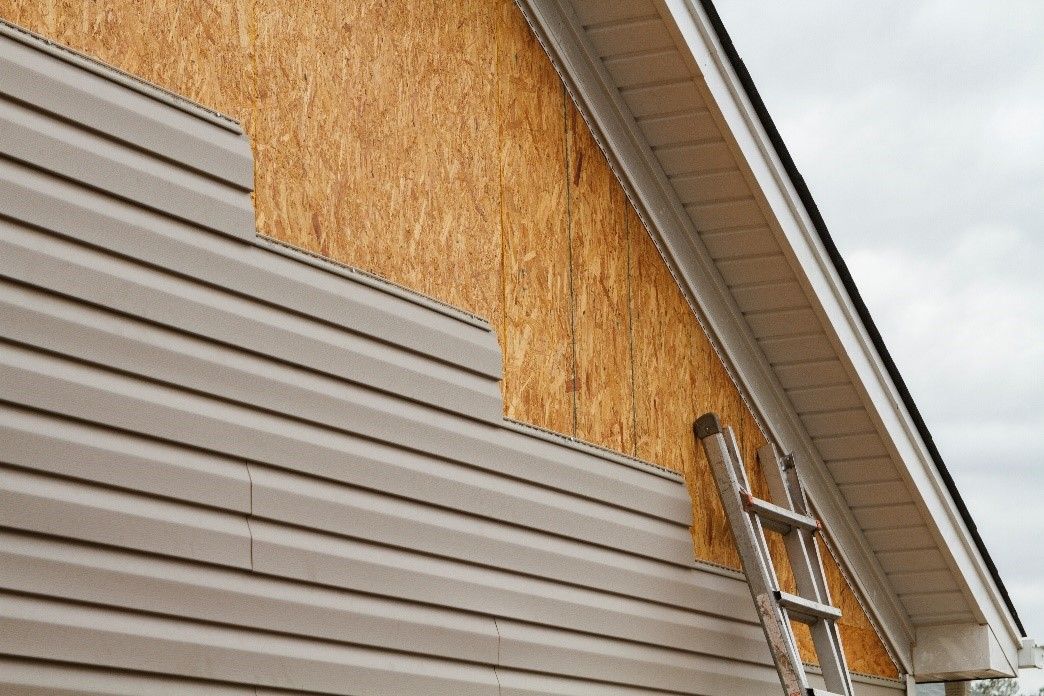
Selecting the appropriate type of siding for your New Jersey residence is among the most critical choices that can be made about the exterior of your house. Proper siding will enhance your curb appeal, provide protection against the elements, help improve the energy efficiency of your house, and raise its value.
Fiber cement siding and insulated vinyl siding are the two most popular types of siding for New Jersey homes. Fiber cement siding is highly durable and resistant to the elements, as well as being attractive, whereas insulated vinyl siding is affordable and easy to maintain.
Why Choosing the Right Siding Matters in New Jersey
Residences in New Jersey have to withstand some of the harshest climatic changes in the region. Throughout the year, residents of New Jersey face hot and humid summers, freezing winters, rain, snowstorms, winds, and even salty conditions near the coast. Constantly changing climatic conditions can wear out the exterior of your house, making the siding crack, warp, fade, or become vulnerable to moisture.
Choosing a reliable and sturdy siding material is one of the ways to protect your investment. Proper siding provides an extra layer of protection from moisture, which will not only prevent water damages but will also make sure that your home does not develop mold or mildew. Another advantage of siding is improved insulation of your house, which will contribute to reduced energy expenses all year round.
Aside from offering better protection from harsh climatic conditions, good siding increases the aesthetic appeal of your property, decreases maintenance costs, and raises the value of your house. Choosing siding that will endure harsh New Jersey weather means that it will perform well for a long time and save you money on maintenance in the process.
1. Fiber Cement Siding
Best for:
Those who need ultimate longevity and value in their home.
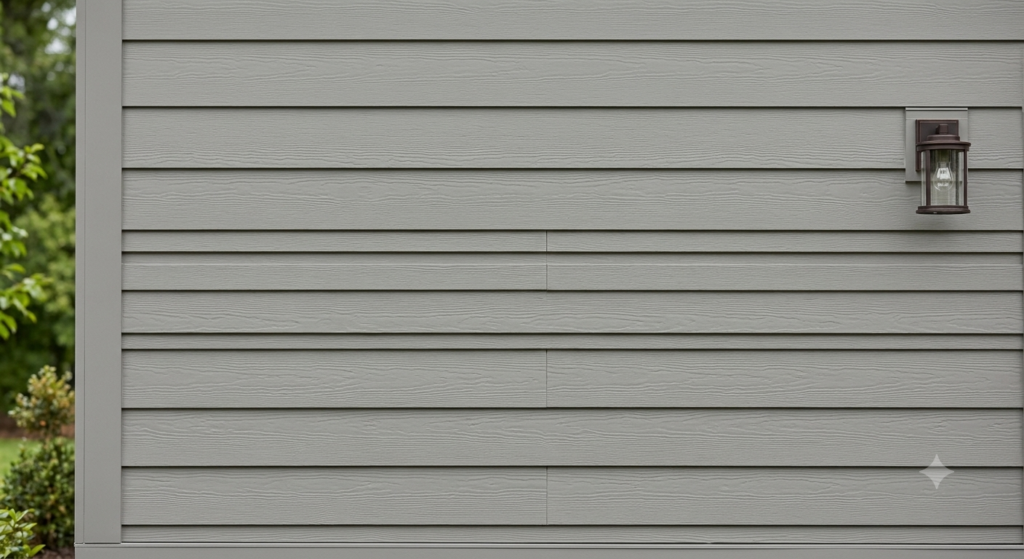
One of the most popular types of exterior wall coverings used in New Jersey is fiber cement siding. This siding type is made up of cement, sand, and cellulose fibers and is known to have an aesthetic look like natural wood.
Advantages
- Very good water and rot resistance
- Resistant to fire damage
- Pest and insect resistant
- Resistant to extreme weather conditions
- Diverse selection of textures and styles
- Long life expectancy of 30–50 years
Disadvantages
Initial installation costs are relatively high
Professional installation required
More heavy compared to other siding types
For those people who intend to remain in their house for many years, fiber cement is usually the most rewarding material to use.
2. Insulated Vinyl Siding
Best For:
Homeowners looking for affordable and easy maintenance.
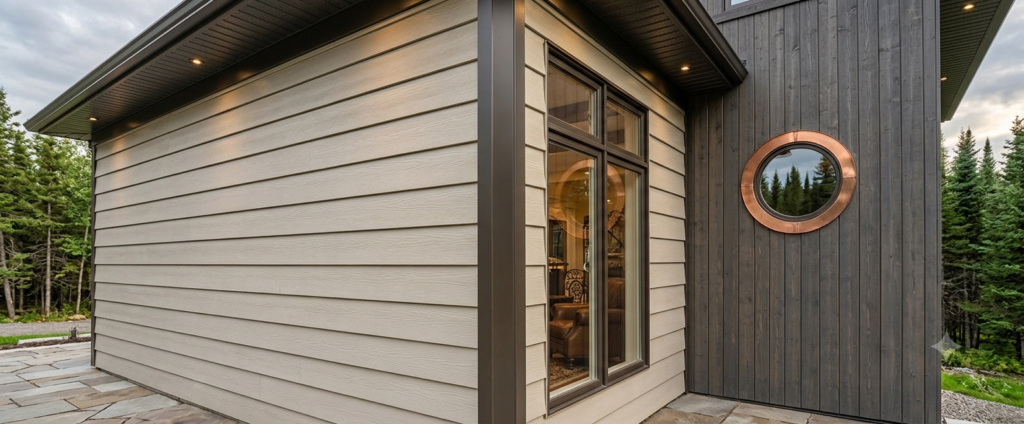
Insulated vinyl siding is still one of the best siding materials in New Jersey because of its cost-effectiveness and variety.
Insulated vinyl siding comes with an extra foam layer that adds more insulation value and reduces heat loss.
Advantages:
- Cost-effective installation
- Little to no maintenance
- Variety of colors and designs
- Waterproof and pest proof
- Increased energy efficiency with insulated products
- Longevity of 25-40 years
Disadvantage
- Prone to cracking in extremely cold weather
- Prone to fading due to prolonged UV exposure
- Does not have the premium look that fiber cement offers
- Many homeowners prefer insulated vinyl for its combination of value and efficiency.
3. Engineered Wood Siding
Useful for:
Homeowners that appreciate the beauty of wood.
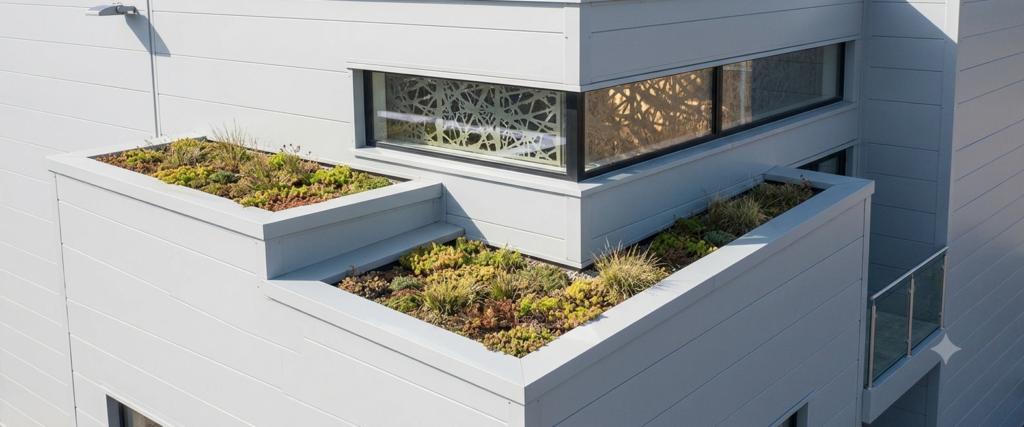
Wood composite siding is made by combining wood fibers along with other materials such as resins. This results in the wood look while reducing many of the problems that arise from wood siding.
Advantages
- Genuine wood look
- High impact strength
- More cost effective than fiber cement
- Easy to install
- Termite and water resistant
Disadvantages
- Needs regular painting
- Higher maintenance than vinyl
- Longevity highly depends on maintenance
If maintained properly, the wood composite siding will be able to last more than 30 years.
4. Cedar Wood Siding
Best For:
Luxury homes and traditional architecture.
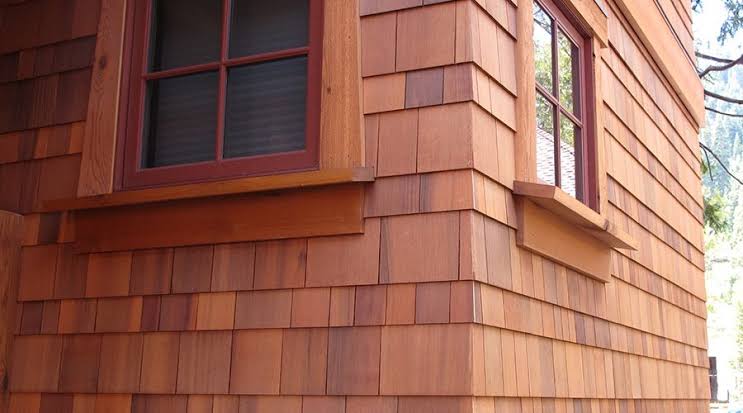
Cedar gives you unbeatable aesthetic appeal and an enduring exterior appearance. This is still the preferred choice of people who desire a luxurious and genuine look.
Pros
- Attractive natural wood grain
- Great curb appeal
- Naturally insect resistant
- Adds charm to the house
Cons
- Needs periodic staining/ sealing
- Higher maintenance costs
- Vulnerable to moisture damage if not maintained
- Even though cedar can last for many years, it will need regular maintenance.
5. Aluminum Siding
Suitable For:
Properties where strength and ease of maintenance are needed on the outside.
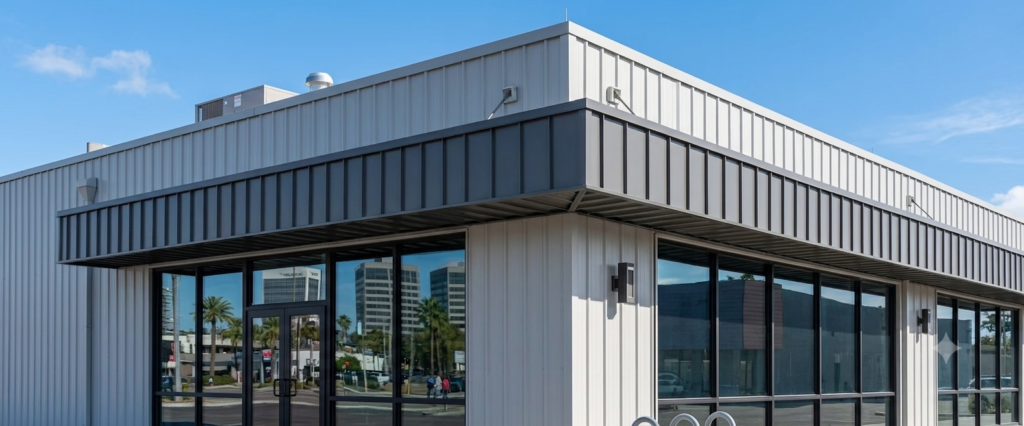
The use of aluminum as siding has had a long history and is still considered a viable material for houses in New Jersey.
Advantage:
- Resistant to rot and insect infestation
- Non-combustible
- Good performance in changing temperatures
- Easy to maintain
- Sustainable due to recyclability
Disadvantages:
- Can be dented by hailstones
- Faster wear can occur in coastal regions
- Less variety of styles than vinyl
Siding Material Comparison Chart
|
Material |
Maintenance |
Lifespan |
Cost Range |
Best For |
|
Fiber Cement |
Low |
30-50 Years |
High |
Long-Term Durability |
|
Insulated Vinyl |
Very Low |
25-40 Years |
Low-Medium |
Budget & Efficiency |
|
Engineered Wood |
Medium |
30+ Years |
Medium |
Wood Appearance |
|
Aluminum |
Low |
30-40 Years |
Medium |
Durability |
|
Cedar Wood |
High |
20-40 Years |
High |
Luxury Homes |
Which Siding Material Adds the Most Home Value?
Fiber cement siding is always rated one of the most profitable exterior home improvement projects. This material is usually selected by homeowners due to its high quality, impressive appearance, and high resale value.
Another profitable choice is insulated vinyl siding.
Factors to Consider Before Choosing Siding
Before making a decision, consider:
Budget
Determine both installation and long-term maintenance costs.
Home Style
Different siding materials complement different architectural styles.
Maintenance Requirements
Consider how much upkeep you’re willing to handle.
Energy Efficiency
Insulated siding products can help reduce heating and cooling costs.
Weather Exposure
Homes near the coast may require additional resistance to salt and moisture.
What is the most durable siding for New Jersey homes?
The most durable siding for New Jersey homes would be fiber cement siding because it resists water, fire, pests, and harsh weather.
Is vinyl siding a good idea in New Jersey?
Yes, today’s insulated vinyl siding is very suitable for New Jersey’s climate and at the same time inexpensive and low-maintenance.
How long can siding last?
Siding lasts from 20 to 50 years or even longer depending on the type of siding material used and how well it is maintained.
Does installing new siding add value to my home?
Yes, installing new siding adds value because it improves the appearance, energy efficiency, and value of your house.
Can I use different types of siding?
Definitely! You can combine fiber cement siding, cedar trim, stone siding, and even vinyl elements in one design.
