

Siding Guide for New Jersey Homeowners: Repairs, Replacement, Installation, Styles and Colors
Siding for your house does not simply improve the look of your property. Siding also works as a protective covering from water, snow, wind, humidity, and varying weather conditions. Proper siding selection and maintenance for the residents of New Jersey would be a great benefit for their property.
Whatever problems you have with the damaged vinyl siding, whether you need the exterior renovation of your house or you just want to know more about various siding styles and colors – you should find out everything about your possibilities.
Be it the usual horizontal vinyl siding or the new vertical siding or shake/shingle siding – you will have a lot of possibilities to change the look of the exterior of your property.
This article will tell you all about siding repair, siding installation, replacement, different materials used, colors, and how to choose a good siding contractor in New Jersey.
Why Is Quality Siding Important for New Jersey Homes?
There is great variation in the weather experienced in New Jersey during different seasons. Conditions such as summer humidity, winter snowfall, rainfall, and changing temperatures may cause gradual deterioration of exterior building surfaces.
Siding serves not only as a means of protecting your house’s exterior walls but also enhances its appearance.
Advantages of good siding products include the following:
- Protection from water, wind, and moisture.
- Enhancing the aesthetics of the exterior appearance.
- Reducing maintenance needs.
- Providing additional insulation effects in case of insulated siding products.
- Protecting the exterior wall construction.
- Possible increase in property value.
However, even with high-quality materials, proper installation and occasional maintenance of siding is needed. Disregarding any issues with the siding such as damage and moisture can result in more costly exterior repair later on.
Siding Repair vs. Replacement: Which Does Your Home Need?
One of the most common questions homeowners ask is whether damaged siding can be repaired or requires complete replacement.
The answer depends on the age, material, condition, and extent of the damage.
Siding Condition | Recommended Solution |
A few cracked or loose panels | Siding repair |
Localized storm damage | Targeted repairs |
Extensive warping or deterioration | Consider replacement |
Moisture damage behind multiple panels | Professional assessment and possible replacement |
Outdated siding with widespread wear | Consider full replacement |
New construction or home addition | New siding installation |
A professional inspection can help identify hidden damage and determine whether repairing specific sections or replacing the entire siding system offers better long-term value.
Professional Siding Repairs in New Jersey
Damaged siding does not always mean that your entire home’s exterior needs to be replaced. When problems are limited to specific areas, professional repairs can restore protection and improve appearance without the expense of a complete renovation.
Common siding problems include:
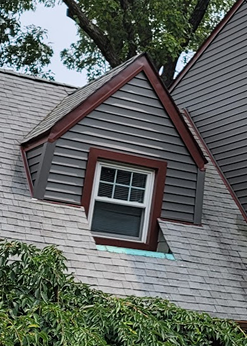
- Cracked or broken vinyl panels.
- Loose or missing siding sections.
- Wind and hail damage.
- Warping or buckling.
- Moisture-related deterioration.
- Damaged corner posts and trim.
- Mold or mildew accumulation.
Even minor siding damage should be addressed promptly. Openings in your exterior cladding can allow moisture to reach underlying materials, potentially affecting sheathing, insulation, and structural woodwork.
Professional siding repair services in New Jersey can help identify the extent of the damage and restore affected areas using appropriate repair methods and compatible materials.
Regular inspections and timely repairs can also help extend the useful life of an existing siding system.
Siding Installation: Building a Durable Home Exterior
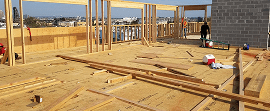
New siding installation is an effective way to improve the appearance and weather resistance of a home. It is suitable for new construction, home additions, exterior remodeling, and properties undergoing complete renovations.
A successful siding installation involves more than attaching panels to exterior walls.
The installation process typically includes:
- Evaluating the condition of exterior walls.
- Selecting appropriate siding materials and profiles.
- Preparing the underlying surfaces.
- Installing suitable weather-resistant barriers and flashing.
- Fitting siding panels, corners, and exterior trim.
- Inspecting the completed installation.
Proper preparation is particularly important because siding alone is not a complete waterproofing system. The underlying weather-resistant barrier, flashing, and drainage details help manage moisture that may pass behind the exterior cladding.
Professional siding installation services help homeowners select materials, textures, and colors that complement their property’s architecture while providing dependable exterior protection.
When Should You Replace Your Home's Siding?
Although repairs can address localized problems, siding eventually reaches a point where continued maintenance is no longer the most practical solution.
Signs that your home may need siding replacement include:
- Widespread cracking or deterioration.
- Multiple warped or loose siding panels.
- Recurring moisture problems.
- Extensive fading combined with material damage.
- Damaged sheathing beneath the siding.
- Frequent repairs affecting multiple sections.
- An aging exterior that no longer meets your renovation goals.
A complete replacement provides an opportunity to inspect hidden exterior wall components and address underlying damage before installing new materials.
Homeowners can also explore updated siding profiles, improved weather barriers, insulated products, and modern color combinations during the replacement process.
Investing in professional siding replacement in New Jersey can help restore your home’s exterior protection while giving the property a refreshed appearance.
How to Choose the Right Local Siding Company in New Jersey
Selecting an experienced siding contractor is just as important as choosing the right siding material.
Poor installation can lead to loose panels, moisture intrusion, premature deterioration, and unnecessary maintenance costs. An experienced local contractor can recommend solutions based on your home’s condition, architecture, and exposure to New Jersey’s seasonal weather.
Before hiring a siding company, consider the following factors:
Relevant experience: Look for a contractor with experience installing and repairing your preferred siding material.
Appropriate credentials: Verify applicable New Jersey contractor credentials and insurance coverage.
Material selection: Choose a company that explains the advantages and limitations of different siding products.
Detailed estimates: Request a written estimate that clearly identifies labor, materials, removal, preparation, and project scope.
Previous projects: Review completed projects, customer feedback, and references where available.
Warranty information: Understand the manufacturer’s product warranty and any separate installation warranty before signing an agreement.
Working with an experienced local siding company in New Jersey can make it easier to navigate material choices, installation requirements, and project planning.
Vinyl Shake and Shingle Siding: Classic Character with Modern Convenience
Traditional cedar shakes and shingles provide a distinctive textured appearance that works beautifully on many architectural styles. However, natural wood requires regular maintenance to preserve its condition.
Vinyl shake and shingle siding offers a similar decorative appearance with lower routine maintenance requirements.
This siding style is particularly attractive for:
- Cape Cod-style homes.
- Colonial houses.
- Craftsman-inspired properties.
- Traditional residential exteriors.
- Decorative gables and accent walls.
Homeowners can choose from different textures, profiles, and colors to achieve a customized appearance. Some prefer using shake siding across the entire exterior, while others combine it with traditional lap siding for additional visual contrast.
Unlike natural wood, vinyl shakes generally do not require regular painting or staining.
Explore vinyl shake and shingle siding if you want to introduce depth, texture, and traditional character to your home’s exterior without the maintenance demands of genuine cedar.
Choosing the Best Vinyl Siding Colors for Your Home
Siding color significantly influences a home’s overall appearance. Choosing the right combination can highlight architectural details, complement roofing materials, and create a more cohesive exterior.
Popular vinyl siding color options include:
Classic White
White siding creates a clean and timeless appearance. It works well with black shutters, contrasting roof colors, and natural stone accents.
Light Gray
Gray provides a neutral foundation that complements both traditional and contemporary properties. White trim can create a crisp contrast.
Charcoal and Dark Gray
Darker siding colors create a sophisticated appearance and pair well with lighter trim. Homeowners should select products specifically designed for the chosen color and expected sun exposure.
Beige and Sandstone
Warm neutral colors provide an inviting exterior that works well with brick, brown roofing materials, and natural landscaping.
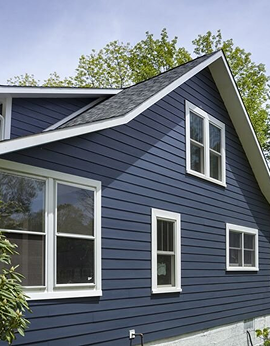
Navy Blue
Navy siding can create a distinctive exterior while maintaining a classic appearance, particularly when paired with white trim.
Sage Green
Natural green shades complement wooded surroundings, traditional homes, and earthy exterior materials.
Before selecting a color, consider your roof, windows, doors, shutters, landscaping, and surrounding properties. View physical color samples outdoors at different times of day, as sunlight can affect how a color appears.
Explore available vinyl siding colors to find a combination that complements your home’s exterior design.
What Is the Best Siding Material for New Jersey Homes?
Although vinyl is a versatile choice, homeowners can also explore other materials depending on their budget, architectural preferences, and maintenance expectations.
Siding Material | Main Advantage | Maintenance Consideration |
Vinyl siding | Versatile and economical | Periodic cleaning and inspections |
Insulated vinyl siding | Additional thermal resistance | Similar upkeep to standard vinyl |
Fiber cement siding | Durable and fire-resistant | Periodic finish maintenance |
Natural wood siding | Authentic architectural character | Regular painting or staining |
Vinyl siding is suitable for many homeowners seeking a balance between affordability, appearance, and maintenance. Fiber cement may appeal to those prioritizing durability and a distinctive finish, while natural wood remains an option for properties where architectural authenticity is important.
For older or historic homes, homeowners should also confirm whether local preservation guidelines apply before changing exterior materials.
Why Choose R&G Roofing, Carpentry & Siding for Your Siding Project?
Choosing the right siding contractor can help ensure that your exterior renovation addresses both appearance and long-term performance.
Based in Orange, NJ, R&G Roofing, Carpentry & Siding provides professional roofing, siding, and exterior improvement services throughout Essex County.
With over 25 years of experience, the company helps homeowners evaluate existing exterior conditions, select suitable materials, and plan improvements based on their property’s specific requirements.
R&G’s siding services include localized repairs, complete siding replacement, new installations, horizontal and vertical vinyl siding, shake and shingle designs, and exterior color selection.
The company also offers fiber cement siding, natural wood shake siding, and insulated vinyl siding options. As a James Hardie Elite Preferred installer, R&G provides additional solutions for homeowners interested in fiber cement products.
From repairing storm-damaged siding to transforming an outdated exterior, our approach focuses on professional workmanship, appropriate materials, and practical recommendations.
We serve homeowners throughout Orange, Newark, West Orange, South Orange, Montclair, Maplewood, Glen Ridge, Bloomfield, Belleville, Livingston, and surrounding New Jersey communities.
Contact R&G Roofing, Carpentry & Siding at 973-324-9461 to request your free siding estimate.
Frequently Asked Questions About Siding in New Jersey
1. What is the best siding for homes in New Jersey?
Vinyl siding is a practical choice for many New Jersey homes because of its versatility, relatively low maintenance, and range of styles. Fiber cement and insulated vinyl siding are also worth considering depending on durability, appearance, budget, and energy performance requirements.
2. Can damaged vinyl siding be repaired instead of replaced?
Yes. Individual cracked, loose, or missing vinyl siding panels can often be repaired or replaced if the surrounding siding remains in good condition. Extensive deterioration or underlying moisture damage may require a more comprehensive replacement.
3. How long does vinyl siding last in New Jersey?
Properly installed and maintained vinyl siding can last several decades. Its actual lifespan depends on product quality, installation methods, sunlight exposure, weather conditions, impact damage, and maintenance.
4. Is vertical vinyl siding better than horizontal siding?
Neither style is universally better. Horizontal siding offers a traditional appearance, while vertical siding provides distinctive architectural lines. Both can provide dependable exterior protection when installed correctly according to manufacturer requirements.
5. What is the difference between vinyl shake siding and regular vinyl siding?
Vinyl shake siding mimics the textured appearance of traditional cedar shakes, while regular lap siding features long overlapping panels. Shake siding is often selected for decorative accents, gables, or homes with traditional architectural details.
