





How to Prepare Your Roof for Winter in New Jersey
It is difficult for the roof in New Jersey to withstand the winter season. The combination of frost, snow, and freeze-thaw action that occurs in the Northeast region makes the roof vulnerable from November to March each year. When not well-prepared, you are likely to have problems such as leaks and ice dams during the winter season.
Preparation of your roof for the winter season in New Jersey can be challenging. However, this is quite simple if you understand the various processes involved. This article provides all the information you need about preparing your roof before the winter season begins.
Why Winter Is Tough on Roofs in New Jersey
New Jersey has a particularly challenging climate, where winters feature a combination of cold, snow, sleet, ice rain, and abrupt temperature changes, which is detrimental for roofing material.
The following is the list of threats that your roof faces each winter:
- The freeze/thaw cycle – Water enters tiny cracks and when it freezes, it expands and makes these cracks even bigger. Repeat this several dozen times during the season, and the problem becomes a severe one.
- Snow loads – Wet and compacted snow adds considerable weight to the roof structure, especially after several storms without any thawing in-between.
- Ice damming – Uneven melting of snow because of escaping heat from the attic causes formation of an ice dam on the edges of the roof.
- High wind speed – Nor’easters and winter storms can lift loose shingles, flashing and gutters, especially if these are already damaged.
A healthy roof will be able to cope with all of the above mentioned stress factors. But if there is some existing damage, it won’t be able to do that. That is why autumn is the perfect time for inspections.
Schedule a Professional Roof Inspection Before Winter
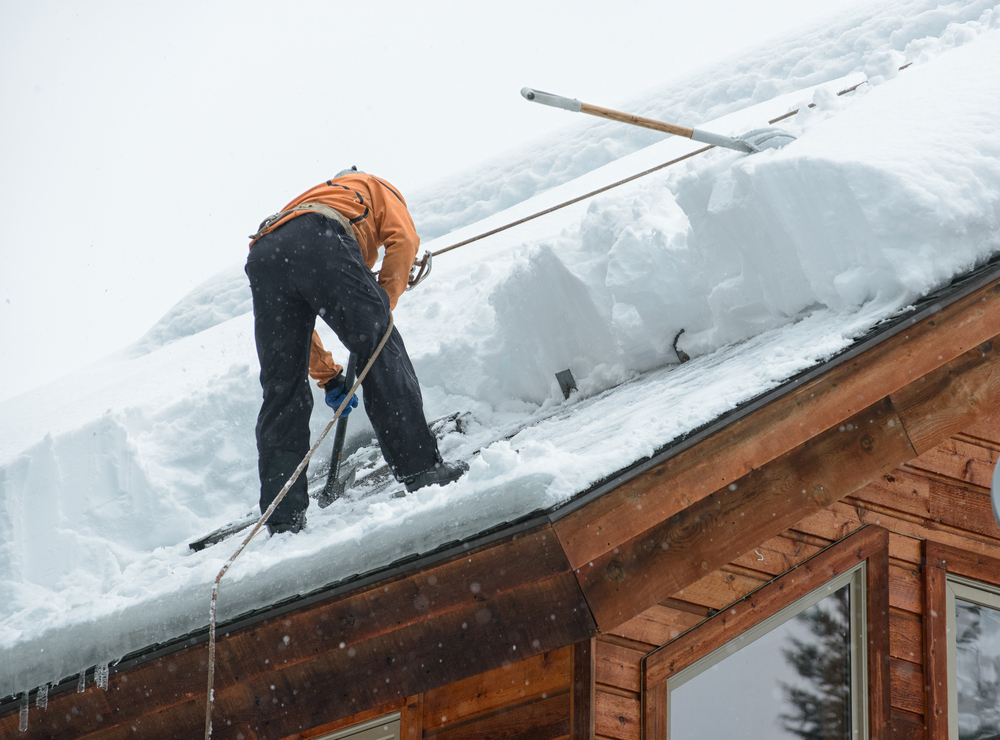
The most valuable thing you could possibly do is conduct a roof inspection prior to winter coming. That is the only surefire method to determine the actual state of your roof because everything else will be just guesses made by looking from below.
Roof inspections in New Jersey usually cover such things as:
- Shingle integrity – whether there is curling, cracking or pieces missing
- Flashing on chimneys, vents and skylights
- Attachment and draining of gutters and downspouts
- Moisture, stains or mold presence in the attic
- General structural soundness of the roof deck
The most experienced roofing specialists advise that one should get their roofs inspected no less than once a year, preferably in early fall, before winter comes.
Clean Your Gutters Before Snow and Ice Arrive
One of the most typical problems, which leads to winter roof damage, is clogged gutters. If leaves, sticks, and debris accumulate in your gutters, it creates a problem because the water has no way out. It accumulates, freezes and puts pressure on your roof line and fascia.
In order to prevent these problems before the first snow fall, do not forget to:
- Remove leaves and debris from gutters and downspouts
- Check that downspouts direct water away from your foundation
- Look for sagging sections or loose gutter hangers
- Confirm gutters are properly pitched so water doesn’t sit and freeze
If your house has experienced problems with clogged or overflowing gutters in the past, then the installation of Yankee gutter repair might be considered. The Yankee gutters are built into your roofline itself (quite common among New Jersey homes) and tend to accumulate ice and leak if not maintained properly.
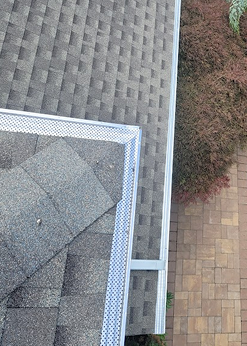
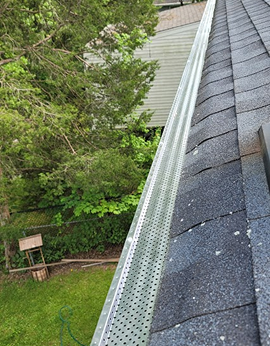
Pro tip: install gutter guards before winter if you have overhanging trees. This will not eliminate the need for maintenance but will significantly reduce the amount of debris which causes clogs.
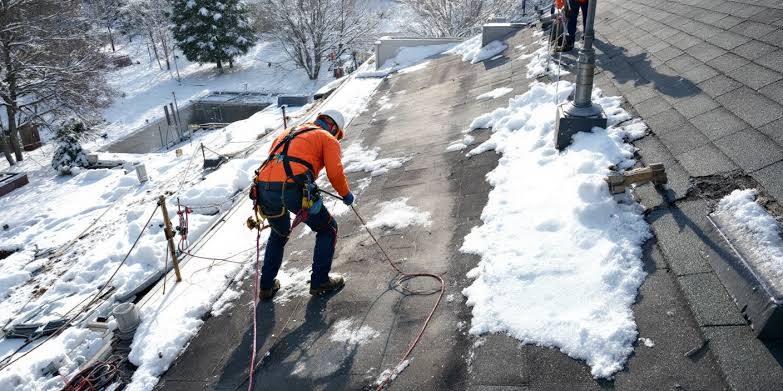
Repair Missing or Damaged Shingles
Your shingles provide the first layer of protection against harsh weather, and even a few damaged ones will cause trouble come winter.
Take a walk around your property and inspect for:
- Cracked, curling, or missing shingles.
- Granules appearing in your gutters and/or where your downspouts end (this suggests worn-out shingles).
- Dark streaks or discoloration (which could be caused by moisture trapped between your shingles).
The hole created by a missing shingle may not be problematic in October; however, when snow and ice start to cover your roof in winter, that missing shingle becomes an entry point for water reaching your roof deck. It is always cheaper to fix your roof in fall rather than deal with wet interior spaces in January.
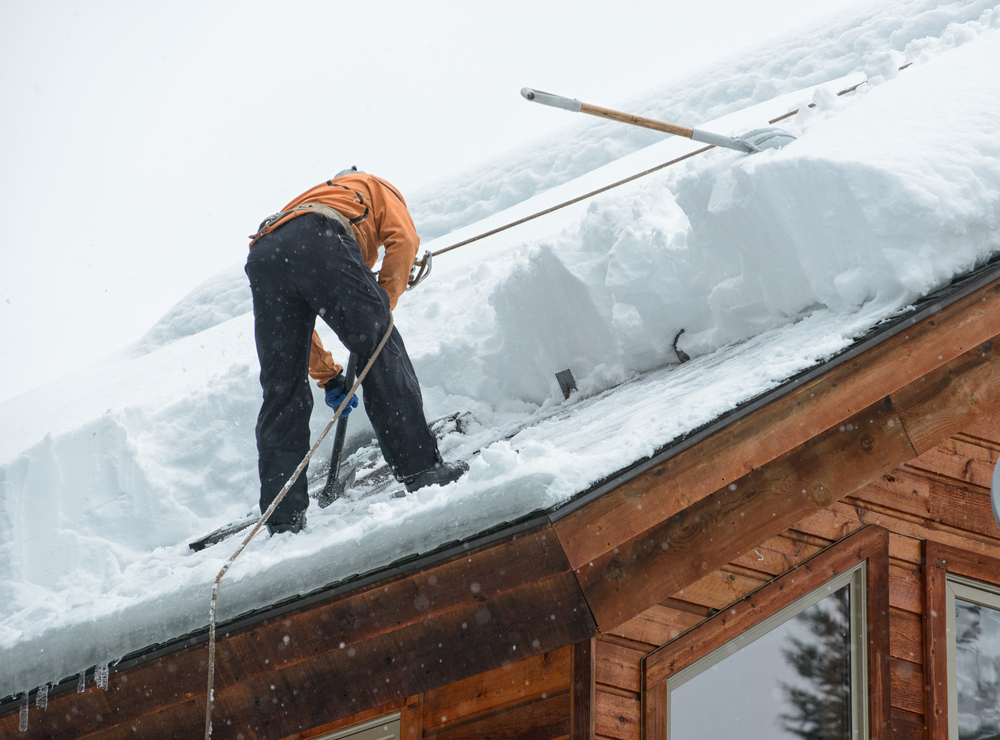
Inspect Flashing Around Chimneys, Skylights, and Roof Vents
The flashing material is the one used on areas where roof penetrations, chimneys, skylights, vents, and wherever there is a junction between two roof planes to prevent water intrusion.
Flashing may loosen, rust, and develop cracks particularly where there is an old chimney or skylight. Winter moisture could work itself behind the flashing and penetrate into the attic and wall areas without your knowing about it.
In case you notice rusting, cracks, and loosened seams in roof penetrations, you should have it inspected by a professional before the arrival of winter conditions.
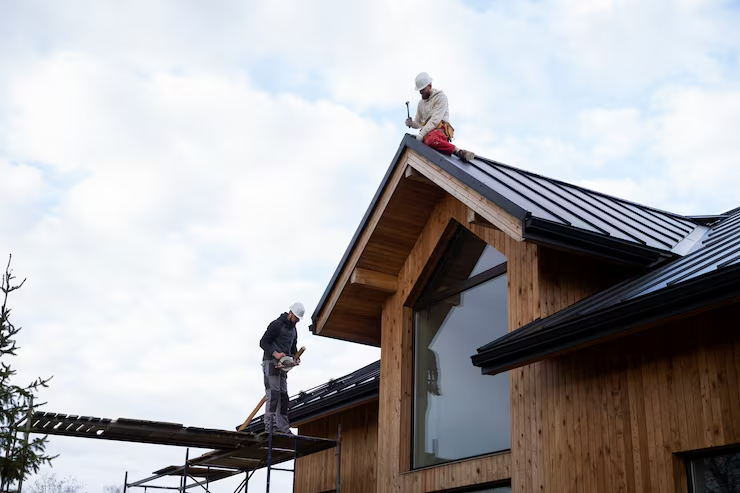
Improve Attic Insulation and Roof Ventilation
The condition of your attic affects the state of your roof far more than you may know. The most common cause of ice dams and premature deterioration of your shingles in New Jersey is poor insulation and ventilation.
This is because the following process takes place: heat escapes through your roof into the attic and warms its underside, causing melting of snow unevenly. As a result, water flows downwards to the cold eaves, refreezes there and forms ice dams, which in turn forces water back up under the shingles.
How to minimize the risk of that:
- Ensure that your attic insulation complies with the required standards for your house
- Verify that the soffit and ridge vents are clear and functional
- Close up all possible leaks of heat through which warm air may enter your attic (through light fixtures, ducts or attic hatch)
Insulation and ventilation of your attic will help you keep your roof’s temperature relatively stable and thus protect it from ice dams effectively.
Prevent Ice Dams Before They Start
It merits specific mention, being one of the most destructive – and most frequent – roofing issues for the New Jersey area in the winter.
An ice dam develops when melted snow from a heated section of roof refreezes at the edge of the roof, creating an ice ridge. The water builds up behind this ice ridge and eventually works its way under your shingles, causing water leaks into your attic or ceilings.
Methods for preventing ice dams include:
- Attic insulation and ventilation improvements (discussed above)
- Maintenance of clean gutters where meltwater can drain
- Removal of excessive snowfall using a roof rake following large storms
- Repair of any roof leaks in the fall before the problem becomes worse
In cases where you have experienced ice dams in prior winters, consider consulting a professional for an assessment of whether roof design, ventilation or insulation may be a problem.
Trim Trees Hanging Over Your Roof
The overhanging branches are likely to do more harm to your roof than you would imagine. The branches become heavier with snow, which is already putting stress on them, and an ice storm can break branches, falling right onto your roof.
You should cut the overhanging branches that:
- Fall directly over your roof
- Are rubbing your roof
- Are diseased, weak, or have dead parts
Apart from the branches that could fall onto your roof, the trees themselves shed leaves into your gutters during fall, causing clogs that result in ice dams.
Watch for Early Signs of Roof Leaks
Early detection of roof leaks prior to winter conditions will help protect your home from extensive interior damages. Leaks in your roof seldom occur through an easily identifiable drip. They usually begin with subtle indications.
These include:
- Stains and discolorations in the ceiling or upper portions of walls
- Musty odor in the attic and upper floors
- Light shining through roof deck in the attic
- Sagging portions of the roof or ceilings
When any of the above mentioned conditions exist, it may be wise to have your home evaluated before winter arrives. Leak prevention of your roof becomes much easier in October compared to the middle of winter.
Create a Winter Roof Maintenance Checklist
This list provides a straightforward way to ensure your roof is prepared for winter weather before it arrives.
Before the first frost:
- Have a professional inspection performed
- Clear out gutters and downspouts completely
- Make sure that downspouts direct water away from the building
- Replace shingles that are missing, damaged, or curled up
- Look at the condition of flashings on chimneys, skylights, and other vents
- Verify that attic insulation is up to standard
- Ensure that soffit and ridge vents are not blocked
- Cut back overhanging or damaged tree limbs
- Look for evidence of leaks inside the attic and upper ceiling areas
- Resolve any drainage or ice dam problems seen in previous winters
In winter:
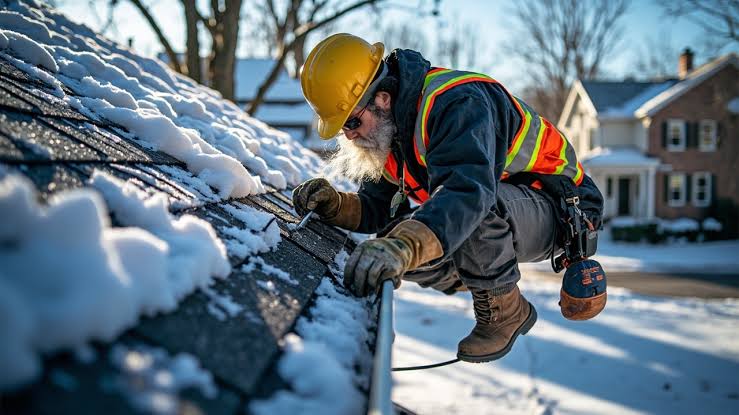
- Clear heavy snow accumulation using a roof rake following storms
- Keep an eye out for icicles or ice ridges along the eaves
- Regularly inspect the attic for any signs of moisture
Having this list available will help you be prepared for any issues rather than finding yourself in a difficult situation because of something you didn’t know about.
Common Winter Roofing Mistakes Homeowners Should Avoid
However, there are only a few preventable errors that cause most of the roofing issues during winters in New Jersey every year.
Inspecting the roof after the snow fall. By that time,
the damage can have occurred and remain concealed under the snow and ice.
Disregarding any small leakages. For instance, a minor dripping in November might result in much bigger leakages in February.
Failing to clear the gutters. Clogged gutters are one of the major causes of ice dams.
Using a hammer or ice pick to chip through the ice dam. This action tends to lead to more damaged shingles and bigger leaks.
Thinking that a new roof requires no maintenance. Despite the age of the roof being under 10 years, flashing and ventilation problems might occur.
Overlooking attic ventilation. While people are concerned with the state of the roof, attic ventilation gets ignored frequently.
It can be easier to avoid these mistakes than to fix them later.
When Should You Call a Professional Roofing Contractor?
Not all the winter roofing problems are not safe to be analyzed by homeowners themselves by conducting visual inspection from the ground. Some will need a professional to prevent possible injury or further damaging of the roof.
Contact a roofing professional in case you see:
- Leaks or signs of water damage indoors
- Damaged, curled, or missing shingles
- The presence of an ice dam along the roofline
- Sagging roof or attic ceiling
- Signs of daylight in the attic roof deck
Concerns about the condition of your roof before the winter season
Working at heights on snow or ice is extremely dangerous, and there are a lot of winter roofing problems that can be identified more easily from the attic or even ground level.
Why Homeowners Across New Jersey Trust R&G Home Services
R&G Home Services has been assisting New Jersey homeowners with preparing their roofs for winter for years, from basic inspections to complete roof replacements. The firm places a lot of emphasis on honest evaluations; in other words, if a repair is enough to get your roof through a couple of winters without needing replacement, then that is what is recommended.
Among other services provided, the company repairs and replaces roofs, inspects roofs, cleans gutters, fixes Yankee gutters, and removes ice dams, which all affect the roof performance in the winter season. Since all these exterior systems work in conjunction with each other, a specialist who is aware of how these components interact is likely to detect problems that would otherwise escape detection during more limited inspections.
Homeowners who have worked with R&G Home Services have the same complaints to make; communication is one of them, along with long-term quality of the work performed, and not being overcharged. This approach is one reason why so many homeowners in New Jersey are returning for gutter, siding or windows services after their initial roof project.
When should I start preparing my roof for winter?
The earliest period of time to prepare a roof for the upcoming season is late fall, such as September and October. By that time, it will become colder outside, and you’ll have enough time for conducting an inspection, repairing something if needed, as well as solving any problems related to gutter and insulation. If you wait for the snow to appear on the ground, then the process will be more complicated.
Can a new roof get damaged due to snow?
Yes. A relatively new roof, which was installed within the last 10 years, might be damaged due to heavy snow load, ice dams, or other problems with flashing, if there are some ventilation or drainage problems.
How often should I clean gutters before winter?
Most people in New Jersey should conduct at least one cleaning of their gutters before the winter starts, when almost all of the leaves are already gone but snow has not appeared yet. In case, the house has a lot of trees around it, it is better to clean the gutters a bit earlier in the season. Well-drained gutters decrease the probability of formation of ice dams along the roof edge.
What are the first symptoms of winter roof damage?
The earliest symptoms of roof damage are water marks on the ceiling, musty smell in the attic, granules in the gutter and some small icicles appearing along the roof edge. It is important to note that these signs are hard to notice at first sight.
Is winter roof maintenance covered by homeowners insurance?
No, it is not, because usually such services are preventive ones. However, the unexpected damage caused by some other reason, for example, storm or fallen tree branch, is often covered by insurance.
