



Residential Roof Repair in New Jersey: Signs, Causes & Expert Advice
While your roof may serve the function of keeping the water away from your home, it has other purposes as well. This component shelters your family, their possessions, the insulation inside your house, and various building elements. Nonetheless, even the well-installed roof may eventually face certain challenges. While such problems as a couple of missing shingles, a ceiling stain, or flashing problems may not appear very significant, they can be quite dangerous for your roof if the moisture gets to the roofing material under them.
Seasonal changes in the climate of New Jersey make the maintenance of roofs especially important for homeowners. Heavy rainfalls, wind, heat of summers, snow of winters, and constant freeze-thaw cycle can affect the state of residential roofs.
However, you should know that each problem does not necessarily mean that it is time to replace your roof. There are situations when some damage to your roof can be repaired in time.
This article will provide information on the signs of problems you should look out for, reasons behind roof deterioration, repair methods, and when you need help.
Why Timely Residential Roof Repair Matters
Roof repairs don’t usually fix themselves. As shingles lift up or the flashing starts wearing down, it could allow water to seep underneath the roof coverings. In the process, water might also affect deck, insulation, ceilings, and walls that aren’t easy to examine.
Sometimes it might be hard to detect roof damage right away. It might take weeks of water leaking through the small opening before any homeowner notices discolorations of the ceiling or wet insulation in the attic.
- There are many benefits of repairing roof early:
- It helps avoid more damage from the water penetration.
- It helps to minimize small roof leaks into the bigger ones.
- It helps to protect insulation, wood deck, and other surrounding building materials.
- It will help to maintain the roof’s performance and lifespan.
- It helps to budget better for future roof maintenance.
For instance, fixing a couple of shingles damaged by the wind could be easy if everything else about the roof is fine. However, if the other areas of the roof remained exposed, then water might damage the underlayment or decking, and then it will be harder to perform a fix.
The best solution would be to find out the reason for the damage first.
7 Common Signs Your Residential Roof Needs Repair
Roofing problems can develop gradually or appear suddenly after severe weather. Knowing what to watch for allows homeowners to take action before damage spreads.

Shingle Loss or Damage
Winds, deterioration, and physical abuse may cause shingles to become loose, cracked, or stripped away entirely. This will leave exposed areas susceptible to water infiltration through damaged underlayment.

2. Ceiling or Wall Stains from Water
A yellow or brown stain can be a sign that water is getting into your home via the roof. However, the stain does not have to be right under the spot where the leak is coming from.

3. Deteriorating Roof Flashing
These metal pieces protect junctions between chimneys, vents, skylights, and adjacent roof surface. If flashing loosens, corrodes, or separates, it may lead to water penetration into the roof covering.
4. Curling or Fractured Shingles
Shingles undergo natural aging process over many years under influence of sun and varying temperatures. Curling shingles edges, cracks or brittleness on the surface may be signs of this aging.
The roof inspection will reveal whether the problem concerns only a small area of the roof or affects most of its parts.
5. Moisture or Musty Odors in the Attic
Damp insulation materials, water stains on framing or constant presence of musty odors in the attic may be signs of roof leaks or excessive condensation.
Several possible problems may cause similar symptoms and thus finding the root of the problem is important.
6. Excessively Many Shingle Granules in Gutters
Roofing materials, such as asphalt shingles, have protective coating of granules which wears out during the course of their service life. Small loss of shingle granules is expected and especially pronounced on newer roofs. Large amount of granules combined with deteriorated shingles indicates aging or damaged shingles.
7. Sagging or Waving Roof Surface
Sagging roof surface indicates roof problems that require immediate attention.
Homeowners are recommended not to walk under or over the sagging roof parts.
Common Reasons for Damage to Roofs in New Jersey Properties
The weather in New Jersey causes various weather conditions that put roofing materials under strain throughout the year.
Rain and Water Penetration
Prolonged rain puts pressure on weak spots such as flashing, valleys, vents, and damaged shingles. Water can penetrate through even a minor gap and travel across the roof system before coming into the building.
Winds and Storms
Winds are likely to raise shingle edges, disassemble roofing systems and bring debris to the roof’s surface. Branches may hit and damage shingles or even the decking.
After any storm, people need to make sure their homes are not damaged and ask professionals to examine their properties if there is suspicion of damage.
Snow, Ice, and Cold Weather
Winter adds another problem to the list. The accumulation of snow, its melting and freezing back, and drainage issues may result in ice dams forming at the edges of the roof.
Water trapped behind an ice dam can find its way beneath the roofing system, and this process may harm the insulation and interior finishing.
Ageing of the Roofing Material
Any roofing system has an expiration date even if it was installed well. Years of weather action may take their toll on shingles, flashing, sealants, and other parts.
This process will depend on the type of material used, the installation and ventilation quality, and maintenance and weathering.
Incorrect Installation or Repair
Incorrectly installed flashing, improperly nailed shingles, and inappropriate materials used for repairs may lead to developing gaps.
That is the reason why professional roofers have to deal with the root cause of leaks instead of covering them.
Residential Roof Repair vs. Roof Replacement: Which Is Better?
Amongst the many questions that homeowners have is whether they should repair the current roof on their homes or replace it altogether.
The answer to this question largely depends on the age of the roof, its condition, damage suffered, and past repairs carried out.
A roof that is damaged at only one point might serve the homeowner for many more years after a proper repair has been done. But this might not be the case for an old roof suffering extensive damage and leaking.
Factor | Roof Repair | Roof Replacement |
|---|---|---|
Extent of damage | Localized | Widespread |
Roof condition | Mostly sound | Significantly deteriorated |
Cost | Generally lower initially | Higher upfront investment |
Project scope | Affected areas | Entire roofing system |
Best suited for | Limited damage and leaks | Aging or failing roofs |
The best way to make this choice is through a professional inspection. A roof that can still be utilized without being replaced should not be replaced; however, it should be replaced after many repair attempts.
What Happens During a Professional Roof Repair?
Understanding the repair process helps homeowners know what to expect and what questions to ask before work begins.
Initial Roof Assessment
The contractor examines visible damage and investigates possible causes. This may involve checking shingles, flashing, roof penetrations, drainage areas, and accessible attic spaces.
Identifying the Source of the Problem
Water may travel through the roofing structure before appearing indoors. A thorough evaluation focuses on locating its entry point instead of repairing only the area where symptoms appear.
Explaining the Recommended Repairs
The contractor should outline the affected materials, necessary work, estimated cost, and whether additional damage could be discovered during the project.
Completing the Repair
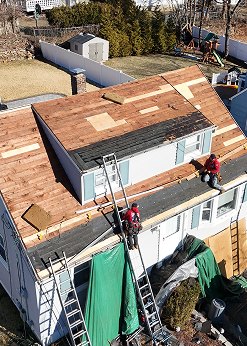
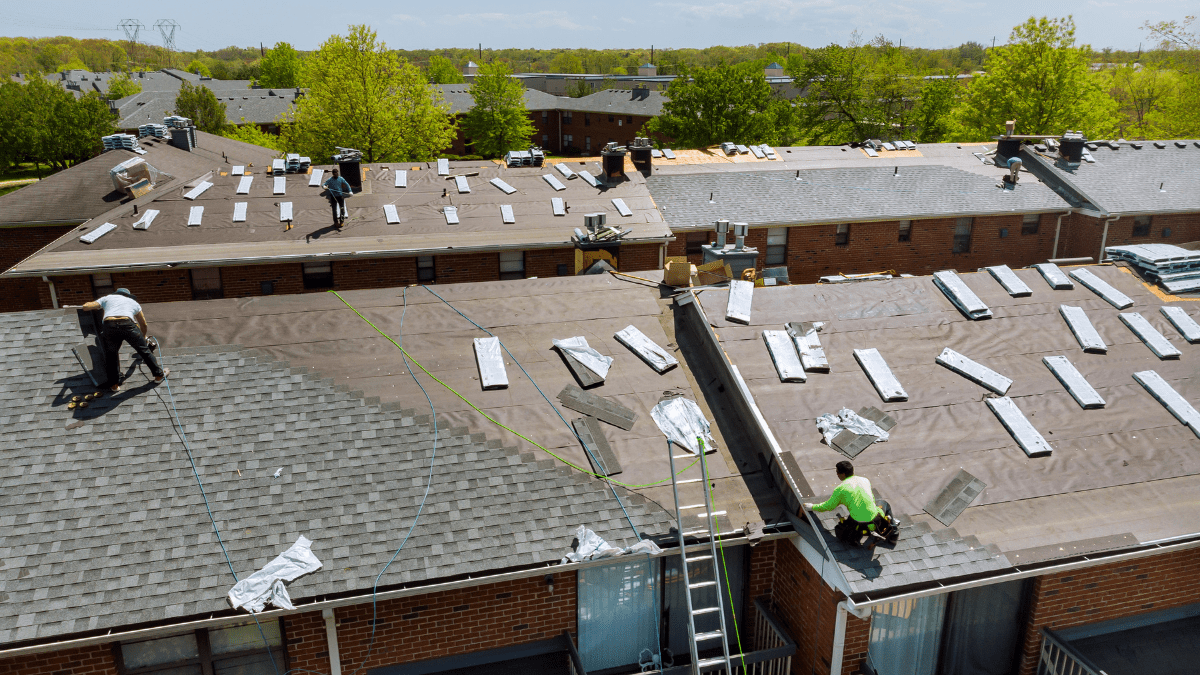
Depending on the issue, work may involve replacing shingles, repairing flashing, correcting damaged seals, or replacing affected underlayment or decking.
Final Inspection and Cleanup
Once repairs are complete, the affected area should be checked for proper installation, and roofing debris should be removed from the property.
A well-planned repair should address both the visible damage and the underlying cause whenever possible.
How Much Does Residential Roof Repair Cost in New Jersey?
The cost of fixing a roof varies based on the kind of damage, roofing materials, accessibility, and work needed.
Repairing a single shingle is easier than dealing with severe water damage near the chimney or fixing the deterioration of the roof decking.
- Some of the factors that determine the final cost include:
- Roofing material: Different materials will use varying materials for repair.
- Severity of damage: Local damage will take fewer resources than severe weather or moisture damage.
- Pitch and height of roof: Some roofs are steep and hard to reach, which can make the job harder.
- Condition of flashing and decking: Any hidden damage found when inspecting could extend the amount of work.
- Availability of materials: Finding matching materials for older roofs could be difficult at times.
- Complexity of work: If there are several roof sections or additions like dormers, skylights, and chimneys.
