



Emergency Roof Repair
Emergency Roof Repair Services in NJ
In case of any severe weather conditions, your roof is going to be your home’s initial protector from harm – or, on the contrary, the first one that takes damage. In case your roof starts leaking, missing pieces emerge, or other defects appear, you should contact a professional service that will help you deal with these complications quickly and efficiently.
It is important to note that the neglect of minor issues with your roof can result in serious consequences such as the intrusion of moisture into the house interior, the appearance of mold, and even structural damage that would cost you plenty of money.
That is why at R&G Roofing & Siding we offer professional emergency rooof repair services in NJ in order to help you solve your issues before they escalate to a higher level. We take any problems with your roof very seriously and promise to solve all your troubles within the shortest possible time frame using the most effective methods and technologies available.
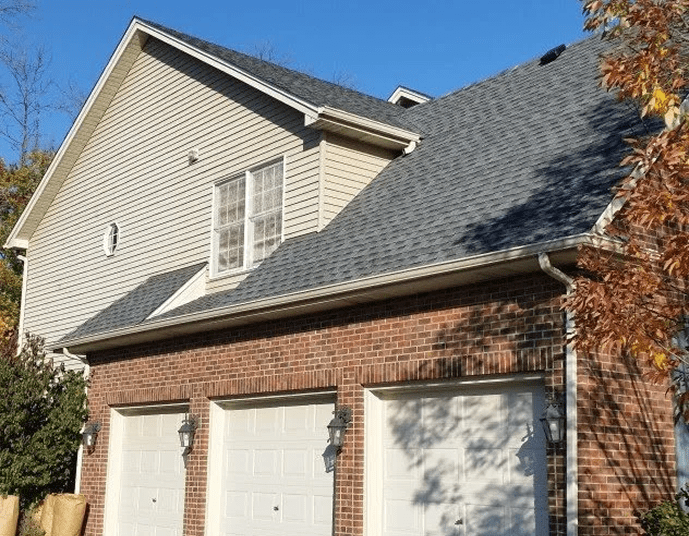
Emergency Roof Repair
Common Causes of Roofing Emergencies
Roofing emergencies tend to happen suddenly due to various reasons ranging from aging roofs to bad weather conditions. With time, the strength of even the best roofing systems is worn out as a result of prolonged exposure to rainwater, wind, sun rays, and seasonal weather changes. All of this results in roof emergencies such as water leaks, cracks on shingles, wood rot, and more.
Bad weather is yet another reason for emergencies in roofing. Rainstorms, storms, hailstones, fallen tree branches, and other factors can quickly affect your roofing system, requiring prompt action. Bad maintenance is an issue as well.
- Aging and weather-related wear and tear
- Fallen tree branches or debris
- Storm damage from strong winds
- Missing or lifted shingles and roof decking
- Improper or faulty roof installation
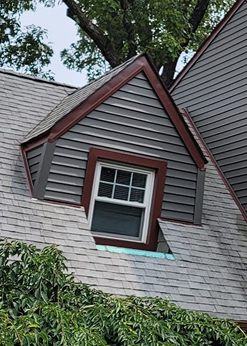
- Flashing issues around chimneys, vents, joints, and dormers
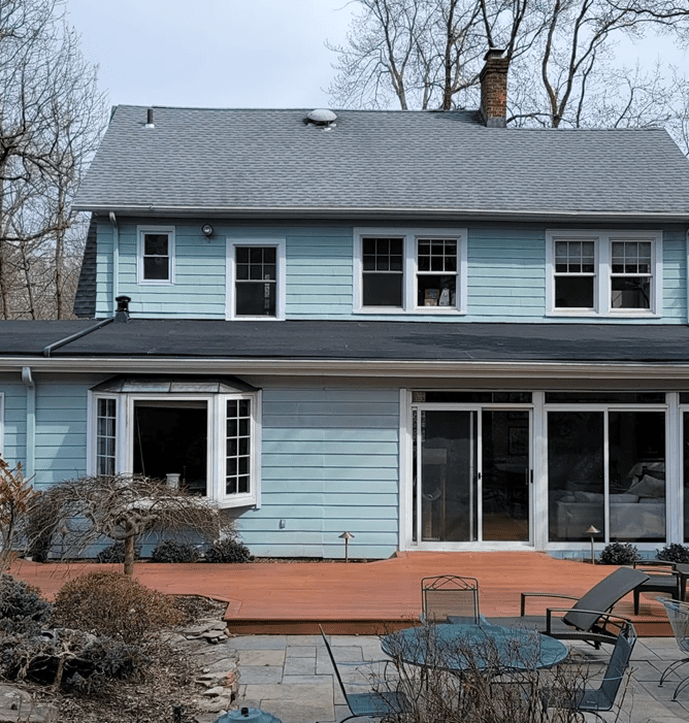
Emergency Roof Repair
Avoid Costly Damage with Expert Roof Repair Services in NJ
n the case of noticing that there have been missing shingles, discoloration on the roof, or any other kind of damages, it would be wise to schedule an immediate roof inspection. The longer one delays in carrying out repairs, the bigger the damage might become, leading to high-cost repairs or even replacement of the roof altogether.
Here at R&G, we offer expert inspections and quick solutions with the help of our Emergency Roof Repair Service in NJ. We strive to ensure that our clients identify all damages before they become major problems.
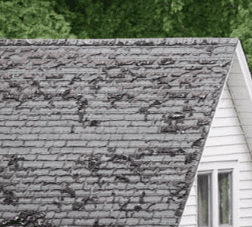
How Damage to Your Roof Affects Your Ceiling and Attic
t doesn’t take long for damage to your roof to become a problem that you’ll have to address with regard to your ceiling and attic. If water leaks in through holes or weaknesses in your roof, it can cause stains in your ceiling, weaken drywall, destroy insulation, and harm the wooden frame of your home.
What begins as a minor issue could soon grow into a significant one, and it could even end up costing you thousands of dollars in damage.
Because water tends to get into the attic before any other part of your house when there are problems with your roof, it’s important to check your attic carefully for signs of trouble.
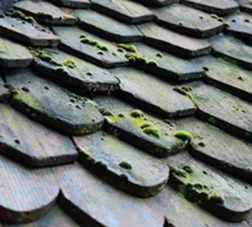
Roof leaks create the ideal conditions for mold and mildew growth. When moisture becomes trapped in your attic, walls, or insulation, it can spread quickly—often without being immediately noticeable.
Mold can damage your home and affect indoor air quality, making it important to address leaks as soon as possible.
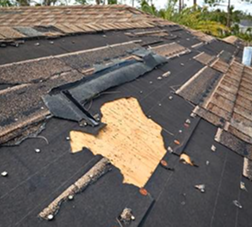
A leaking roof can increase the risk of fire damage. When rainwater enters through a damaged roof, it can reach ceilings and walls and come into contact with electrical wiring.
Although insulation and junction boxes provide some protection, they are not designed for ongoing moisture exposure. Water can weaken insulation and compromise electrical systems, creating a dangerous situation.
If moisture reaches live wiring, it can potentially lead to a fire and cause severe damage.
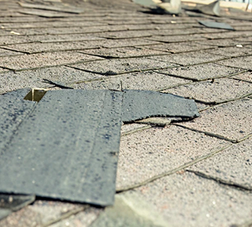
When water enters your roof, it can soak your insulation and reduce its effectiveness. Damaged insulation makes it harder to regulate indoor temperatures, which can increase energy costs.
Wet insulation can also contribute to mold growth and further structural issues if left untreated.
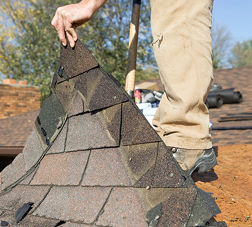
One of the most serious consequences of a damaged roof is structural damage. Continuous water exposure can weaken wood framing, roof decking, and other essential parts of your home.
If left unaddressed, small issues can develop into major structural problems that are expensive to repair.
Emergency Roof Repair
What to Do in a Roofing Emergency
When your house experiences significant storm damage, a fallen tree, or an urgent roofing problem, it is crucial to remain calm and take necessary measures to ensure that your property is protected from additional harm and possible hazards.
Perform an inspection on your roof from the ground level to see if there are any damages, such as lost shingles, fallen debris, or sagged parts. Moreover, you can examine your attic for leaks, dampness, or stains, which typically indicate the presence of a problem.
In case water has managed to get into your residence, immediately secure your belongings. Take away the furniture, electronic devices, and other valuables from the affected space, and gather containers or buckets to collect the drippings. Additionally, you can cover the leaking spots with towels or sheets to avoid more destruction inside your house.
Do not climb up to the roof to conduct an inspection, especially if there are any indications of structural problems. As it is highly hazardous, make sure that only professionals will handle the matter.
- Move valuables and furniture away from affected areas
- Use buckets or containers to catch leaking water
- Cover items with tarps or plastic if needed
Q.1 When is a situation regarded as a roofing emergency?Emergency Roof Repair
Any form of unexpected damage that affects the security of your house is considered a roofing emergency. Examples of roofing emergencies include severe leaks, damaged shingles following heavy rain, structural damage, fallen debris on the roof, etc.Emergency Roof Repair
Q.2 How soon will you come and fix the roof if there's a situation?Emergency Roof Repair
We have quick response times for our Emergency Roof Repair Service in NJ, where we work to secure your property as soon as possible.Emergency Roof Repair
Q.3 Can you fix my roof during rainy seasons?Emergency Roof Repair
We usually do temporary roof repairs to cover up roofs during heavy rains, although we can do permanent repairs once conditions get better.Emergency Roof Repair
Q.4 Do I need to make any payments before my roof is repaired?Emergency Roof Repair
Emergency roof repairs are covered by your insurance company; thus, you don’t have to make any payments in advance. We’ll help you document the situation and contact your insurance company.Emergency Roof Repair
Q.5 How can I prevent future roofing emergencies?Emergency Roof Repair
One sure way to prevent roofing emergencies is regular inspection and maintenance of the roof. Ensure you check the status of your roof after every rainy season and keep the gutters clean.Emergency Roof Repair
